Understanding How You Stand, Sit and Move
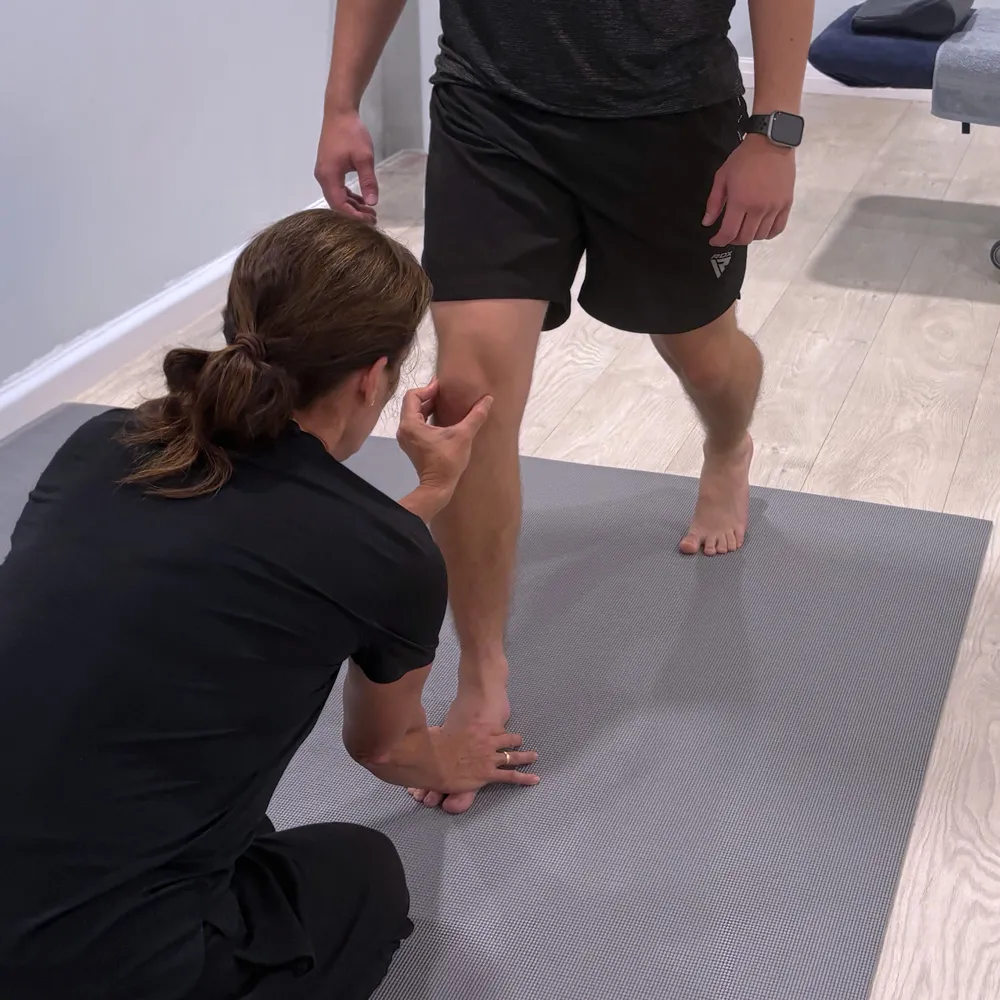
We don’t just look at where you feel pain as this does not always indicate where the issue is. In a biomechanical assessment we look at your postural alignment and movement patterns i.e the mechanisms of how your body moves. his can help us to better identify the root cause of pain, injury or inefficient performance. This can make the difference between short term relief and longer lasting changes.
Postural assessment: Analysing your posture in standing, sitting at your desk or in your car. For example, teaching someone how to ‘stand or sit up straight’ can make an immediate difference in function.
Gait analysis: analysis of how you walk or run. For example ‘flat feet’ can often lead to knee, hip and low back pain. Therefore, we would look at how to strengthen the foot which could help to reduce pain in the knee.
Functional stability: assessing core stability and how this relates to functional movements. This may be sports specific movements or just normal activities like washing up or sitting to standing. Core stability exercises are not just doing the ‘plank’.
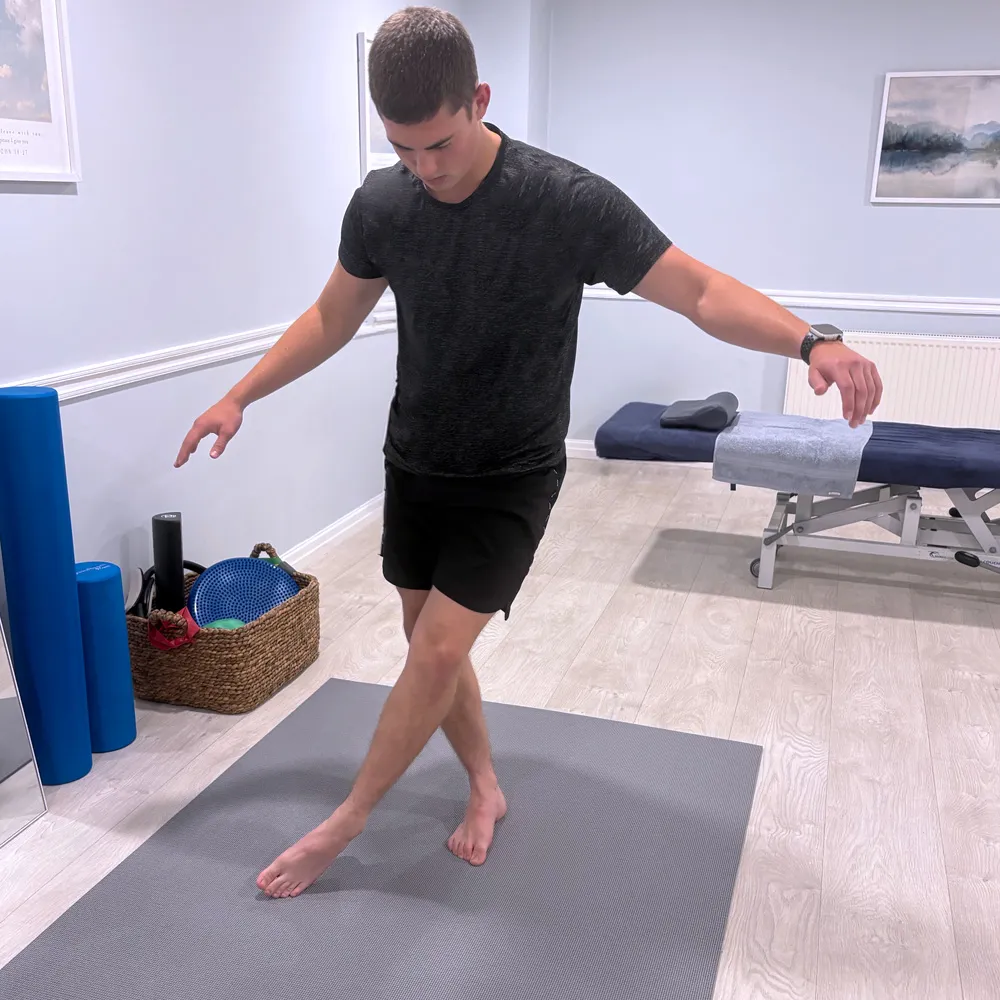
Balance assessment: Good balance is key to optimising function. From helping to prevent falls, accelerating recovery from injury or improving sport specific performance. Balance can be trained and vastly improved through specific exercises. Failure to assess this is often the missing link to optimal recovery.
Contact
Questions? I'm here to help.
Reach out anytime for support.
I aim to reply to all emails promptly. If you don’t hear back straight away, I may be assisting another client.
bookings@kateleemingphysio.co.ukPhone
Mon–Fri, 8am–5pm
I may be with clients or away from the phone - please leave a voicemail or send a message and I’ll respond promptly.
07528 443169Location
Visit my Halifax clinic.
Free parking for 2 hours outside on Park Road. Disability parking is located directly outside the main entrance.
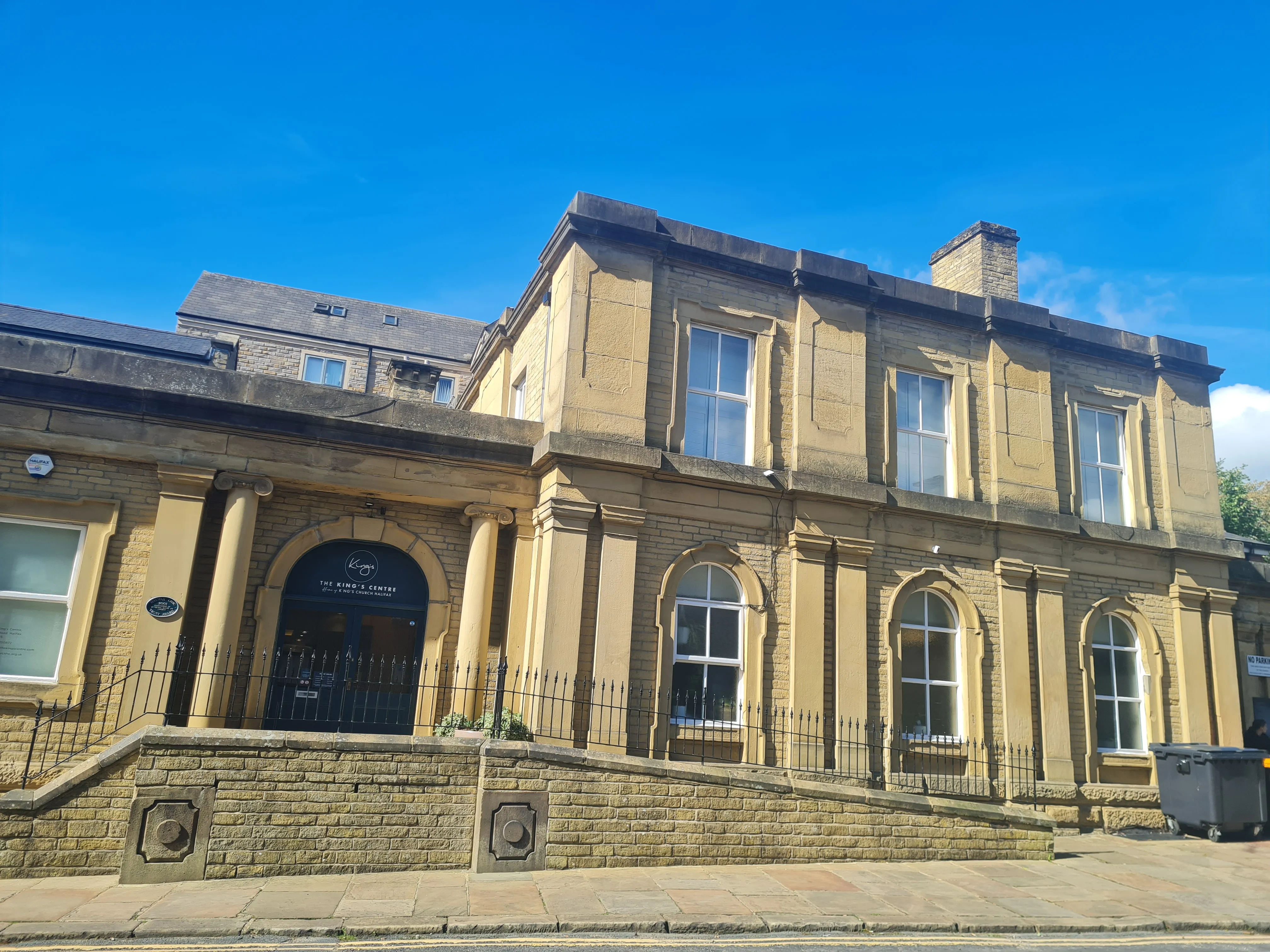
The King’s Centre, Park Road, Halifax, HX1 2TS
Manual therapy involves hands-on techniques that can be used to improve mobility in stiff joints, muscles and fascia. It can help reduce pain and enhance recovery. You will be assessed to determine which technique will be appropriate for you.
Techniques include…read more...

An evidence-based technique used to reduce pain, promote healing and complement rehabilitation.
Read more...

A Partnership in Recovery. Bespoke rehabilitation and guided at-home training.
Read more...

All Rights Reserved. Website by The Flow Group.